Better questions. Clearer evidence. Stronger decisions.
Ideas for leaders and investigation teams working to turn scattered organizational data into evidence they can understand and act on.
← Back to publication overview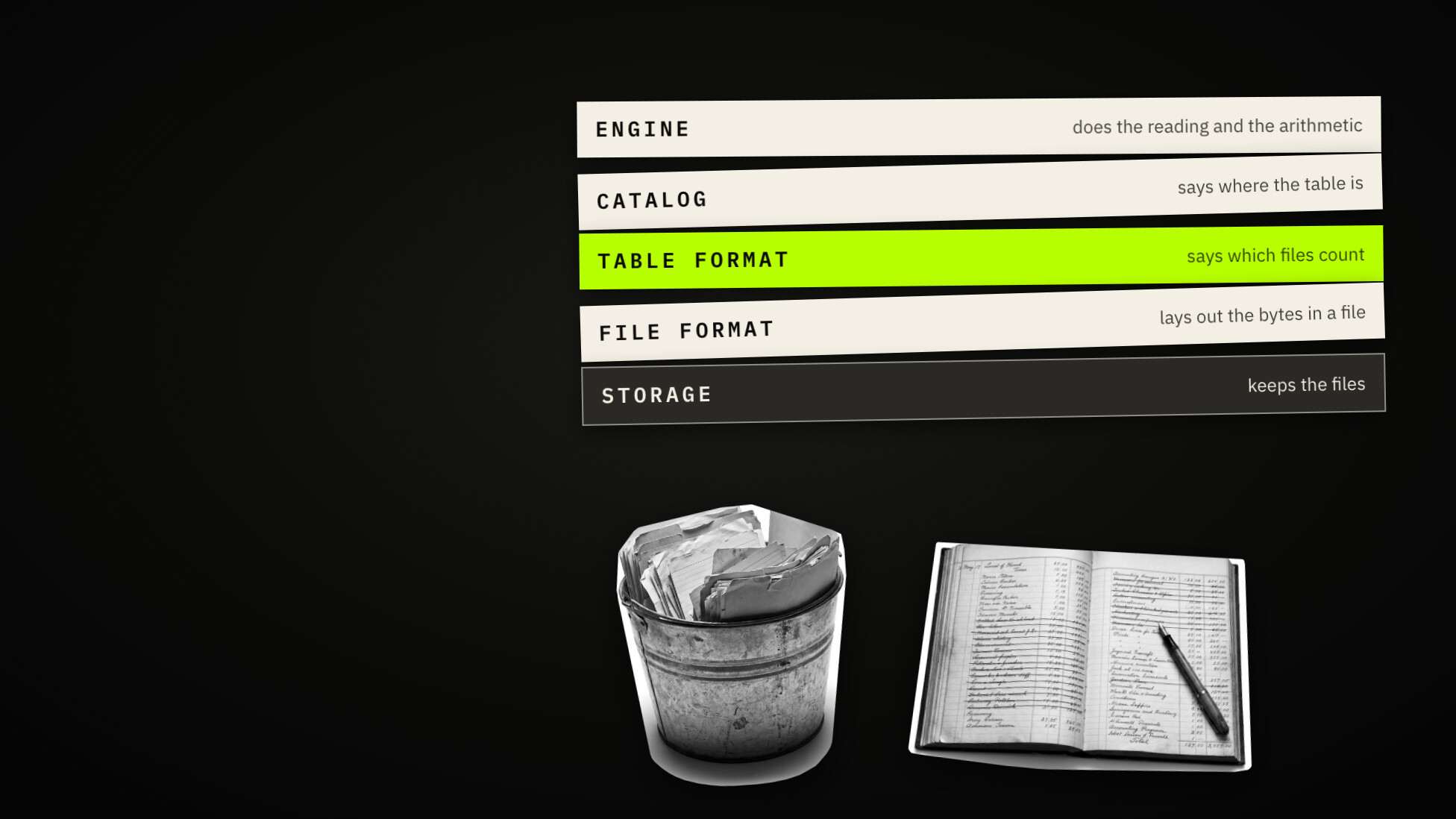
Tables Made of Files: What a Lakehouse Is and When to Use One
What a data lakehouse is, in plain words. File formats, table formats like Iceberg and Delta, catalogs and engines, when to use one, and why delete is not erase.
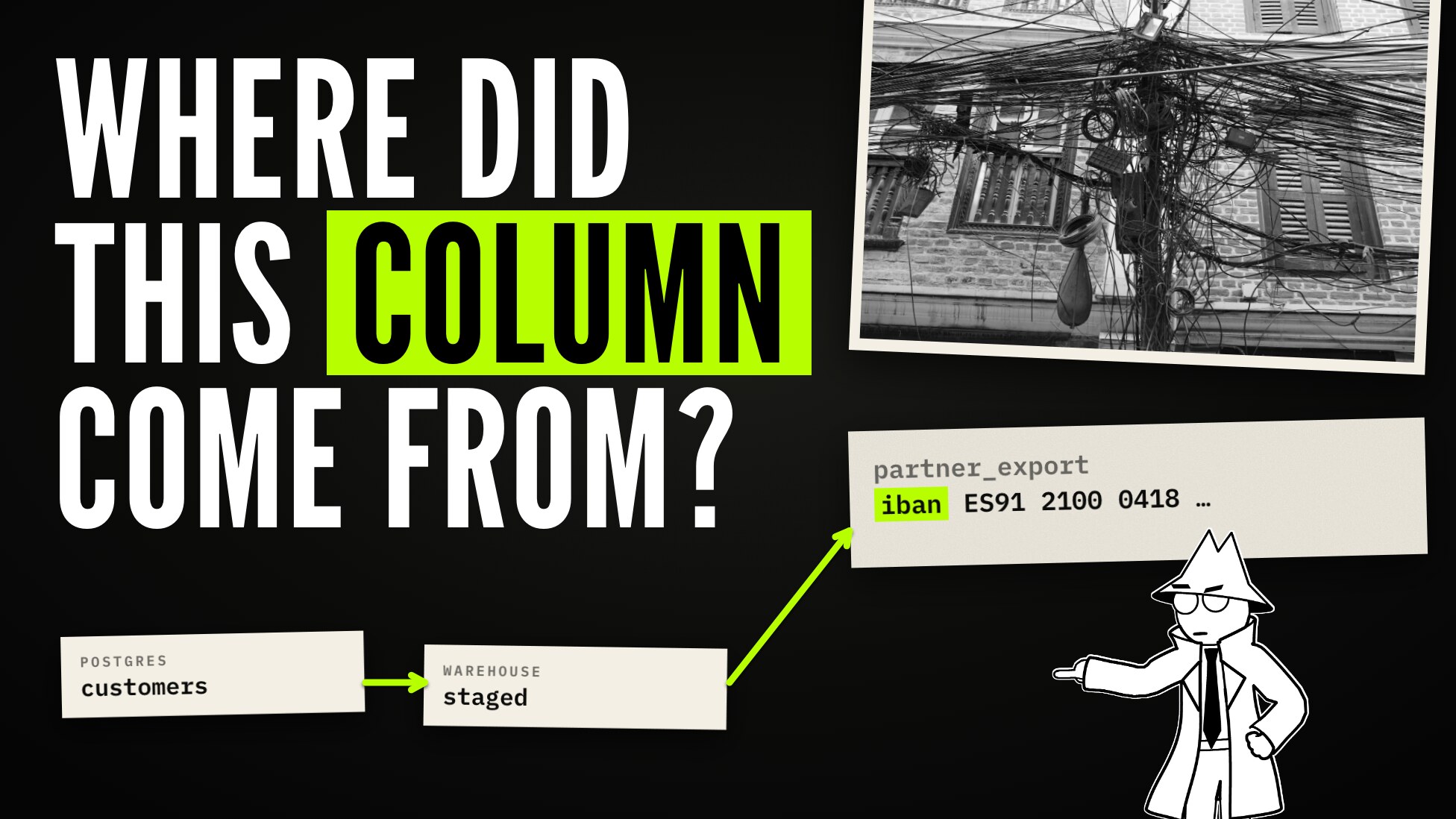
Follow the Data: What Lineage Is and How to Read It
A plain-language explainer on data lineage. Why most lineage graphs are unreadable, what flow means, how column lineage works, how far to trust an arrow, how lineage crosses systems, and one real column followed from a warehouse back into a database.
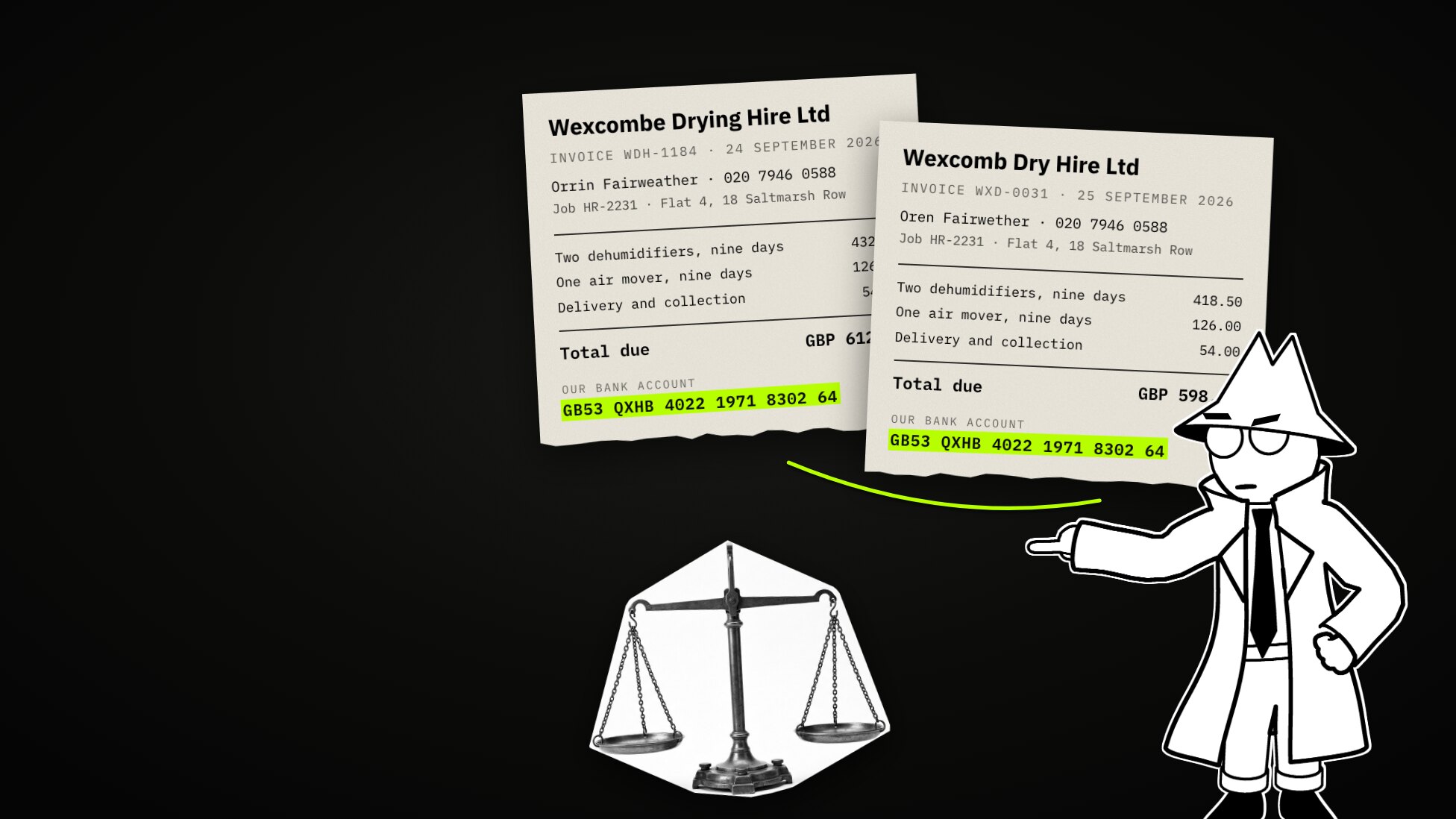
Same or Not? How Duplicate Matching Weighs the Evidence
A plain-language explainer on duplicate matching. How two documents are compared value by value, what a weight is and how the score is worked out, what the two cutoffs decide, how to tune the noise away one change at a time, and what to do with a match that turns out to matter, shown on an invented firm's shared drive.
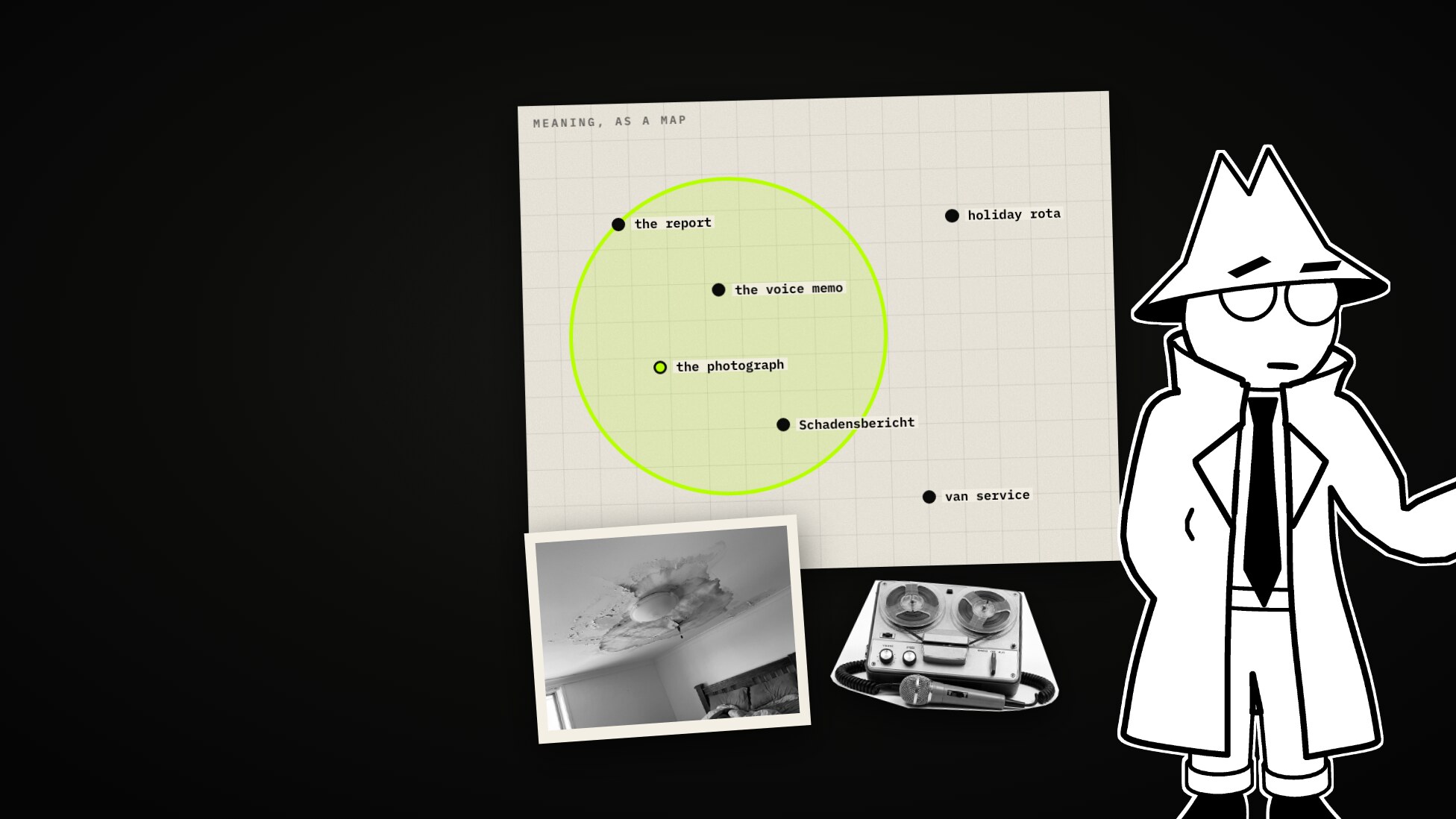
Search by Meaning: What a Vector Is, Where Text Search Stops, and How It Learns to Look
A short explainer on vectors. What an embedding is, how search by meaning works on an ordinary processor, where it stops (pictures, other languages, sounds no transcript holds), and what a model that reads pictures and sound changes, measured on an invented company's shared drive.
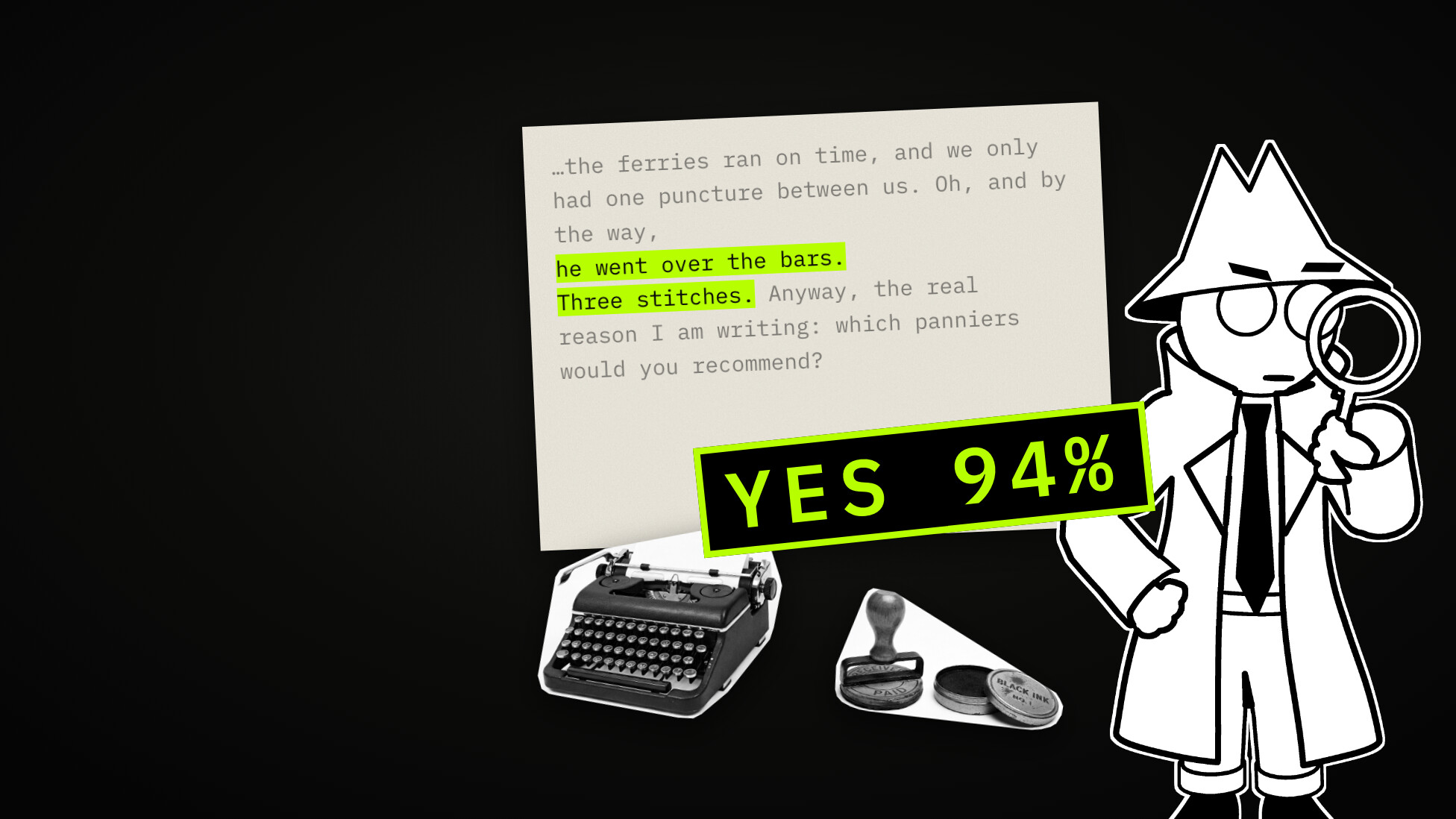
One Look: Decision Models, System One, and What Five of Them Did With Fifty Messages
A decision model does not write. You give it a text and a list of questions, and it answers each with a probability. What that is, where the name System One comes from, why there are suddenly so many, and what five real models did with fifty messages to a bike shop that does not exist.
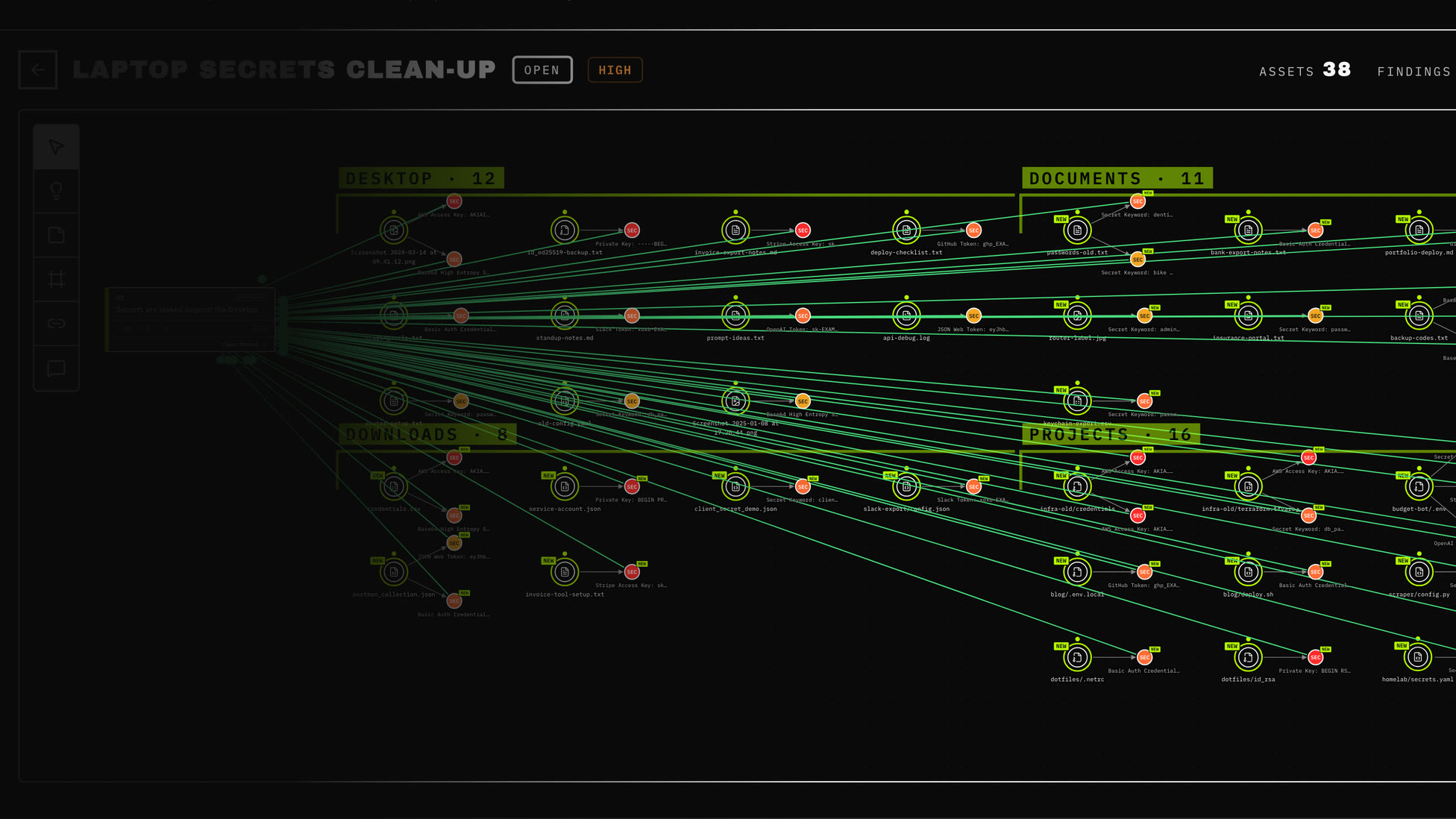
Your Laptop Remembers: How to Find Leaked Secrets in Screenshots, .env Files and Old Notes
An API key in a screenshot, a .env file in an abandoned side project, a text note full of passwords. A step-by-step walkthrough of finding every leaked secret on your own laptop with one Docker command, read-only, without anything leaving the machine.